In the second edition of IES Generative AI Challenge in 2025, we had 305 applicants from 28 countries. Out of them, 45 were shortlisted for the hackathon and 29 teams completed all 3 milestones. Judges selected 16 for the final round and they were submitted to IECON 2025 (Track SS55 – Responsible Practice of Generative Artificial Intelligence for Industrial Applications and Systems).
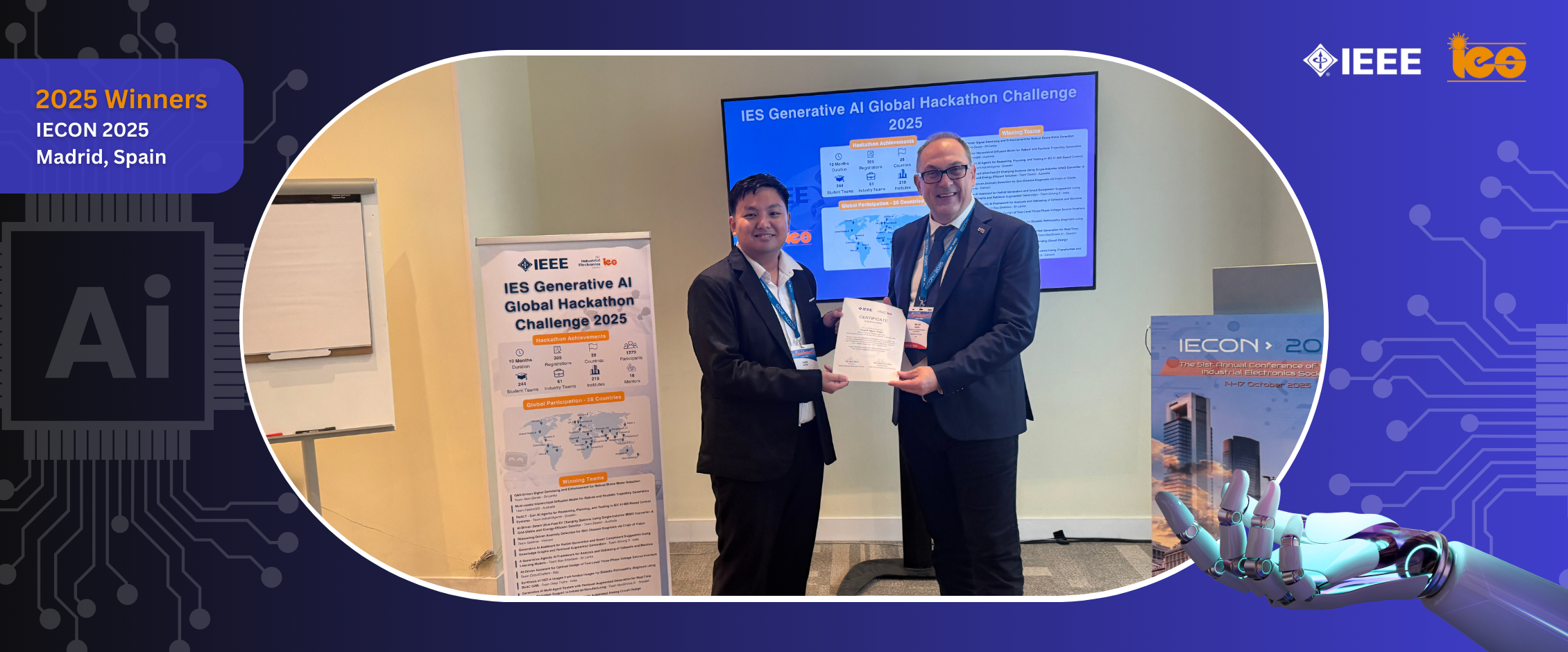
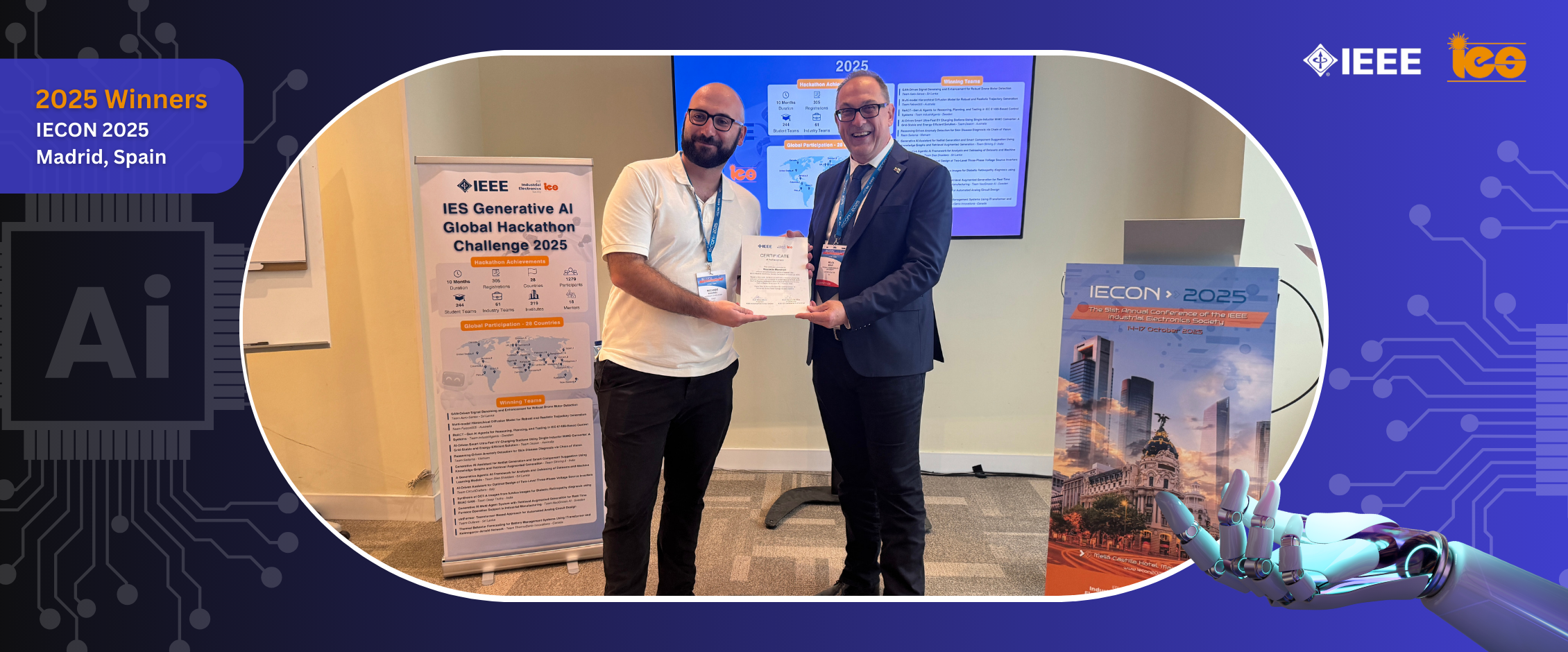
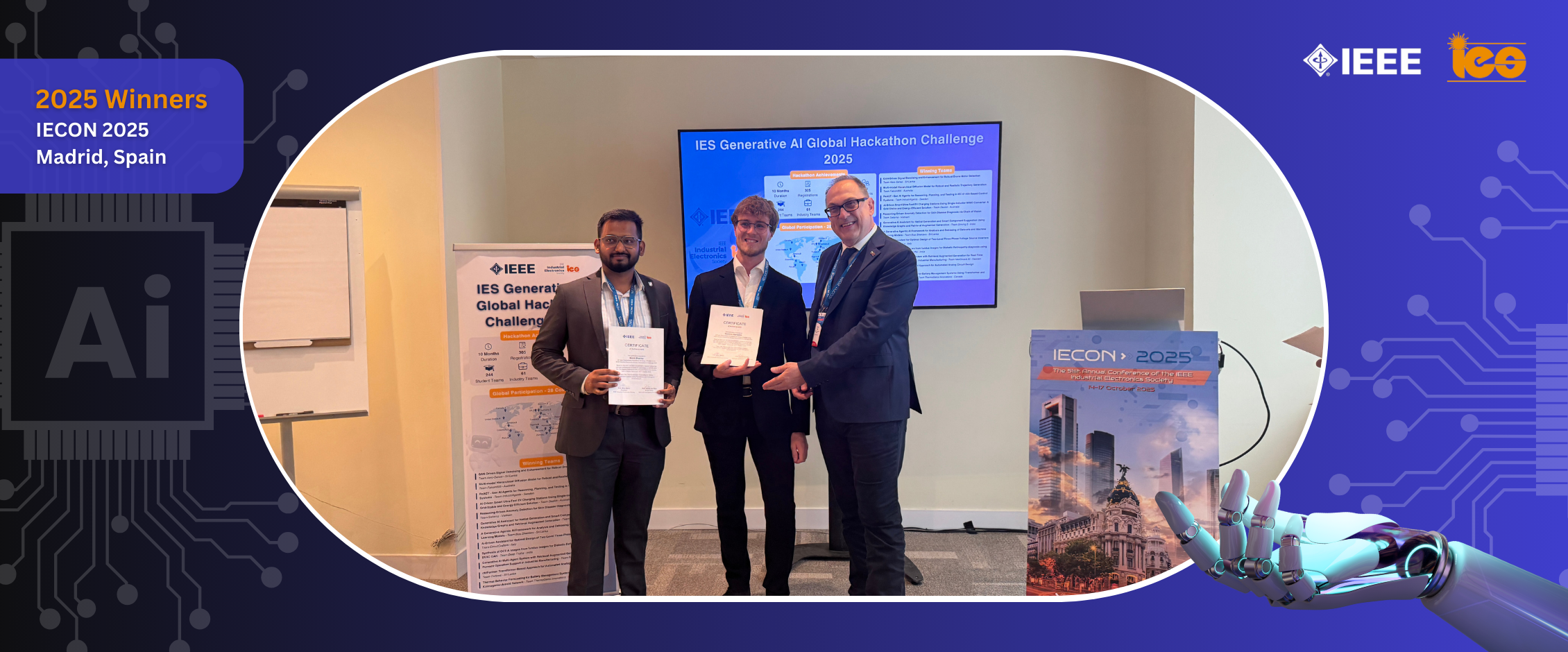
12 of these papers were accepted and presented at IECON 2025. We supported 6 teams with travel grants to visit Madrid, Spain, in October 2025, to attend the conference in person. Below are some photos from the session.
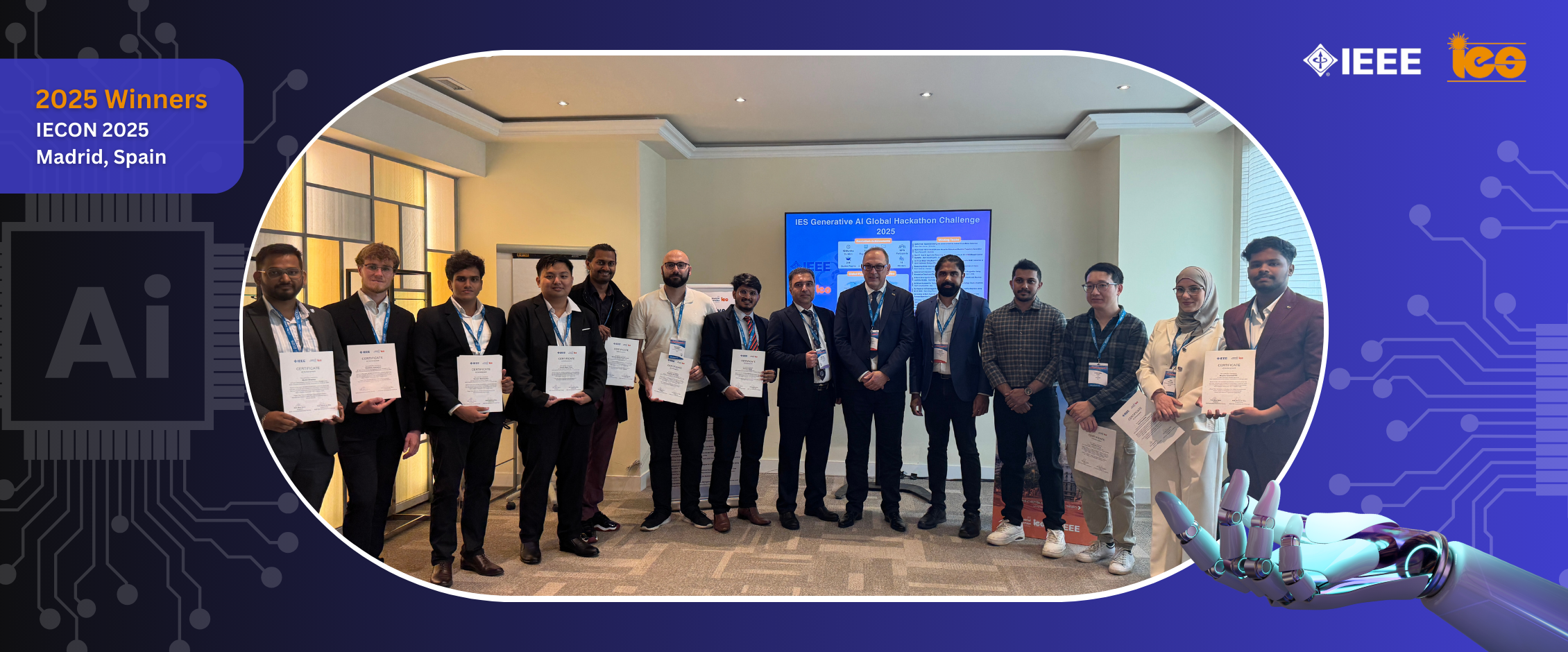
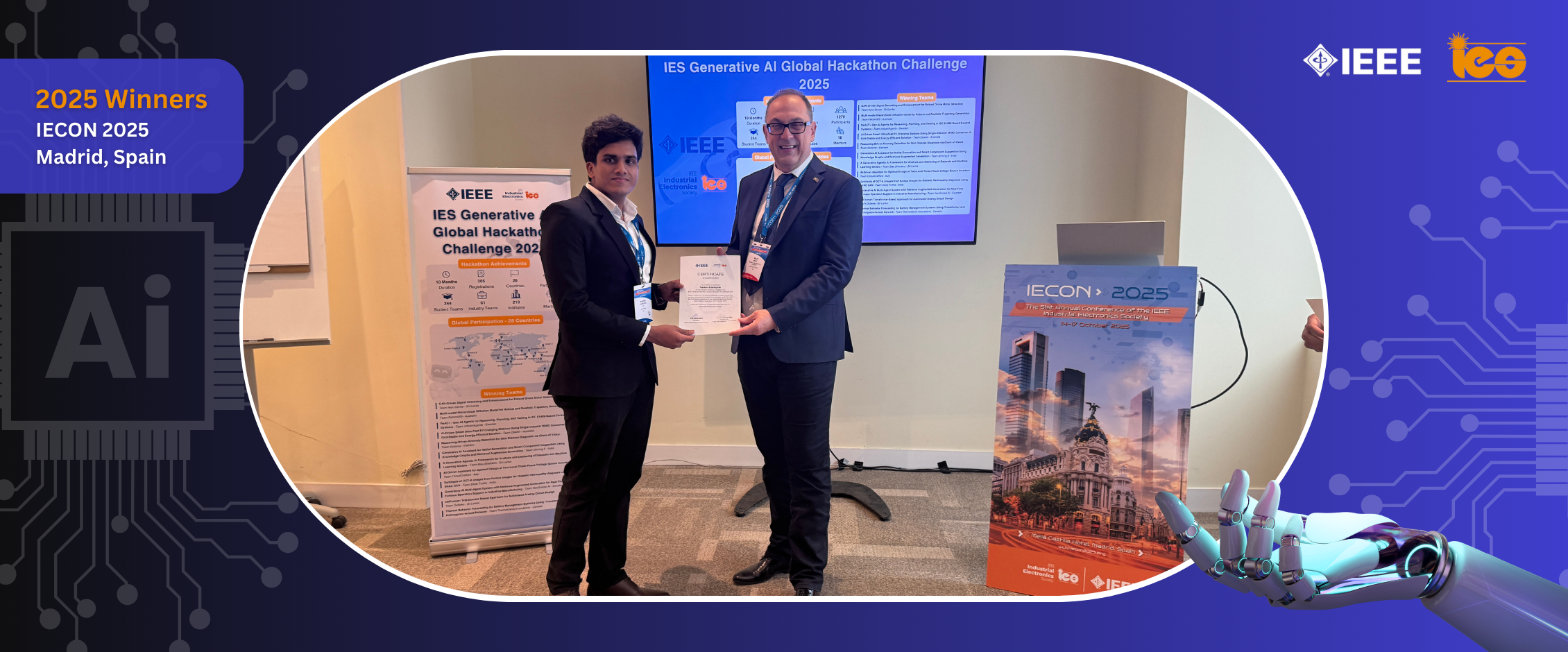
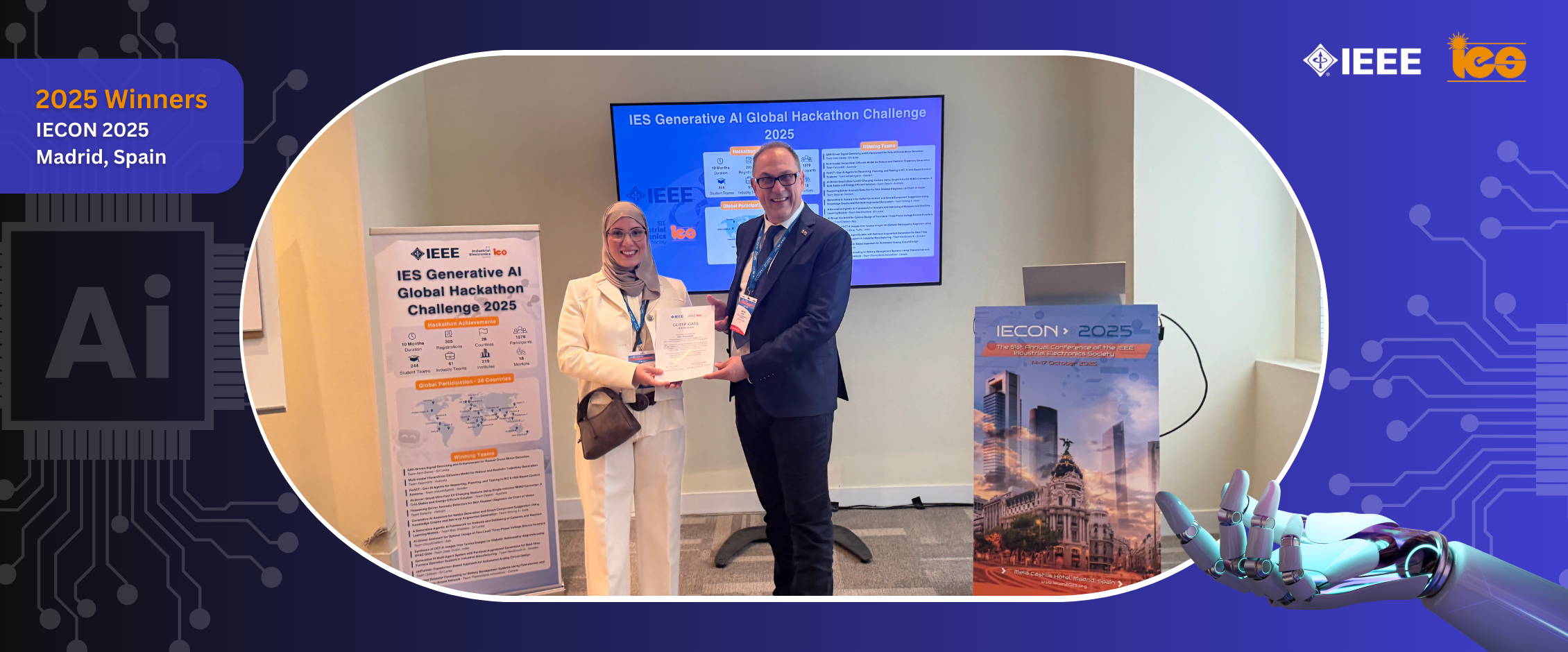
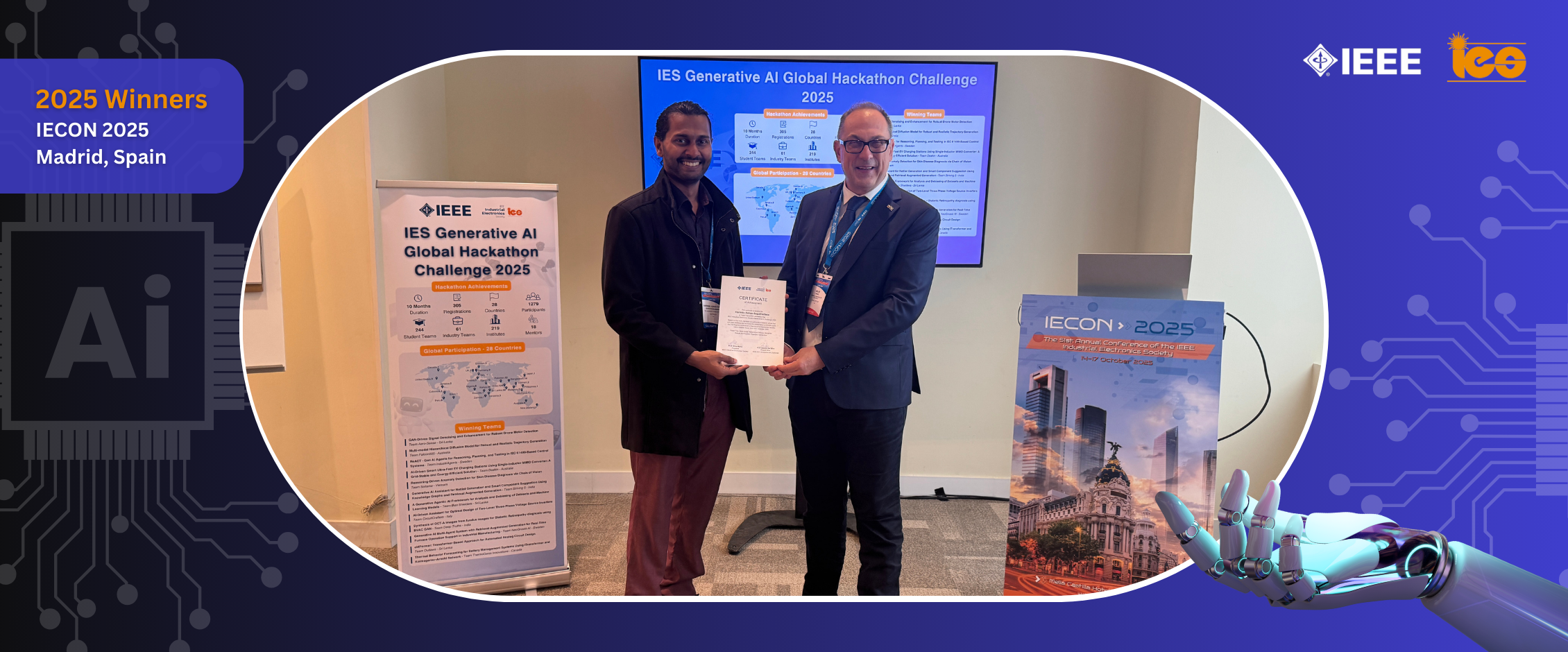
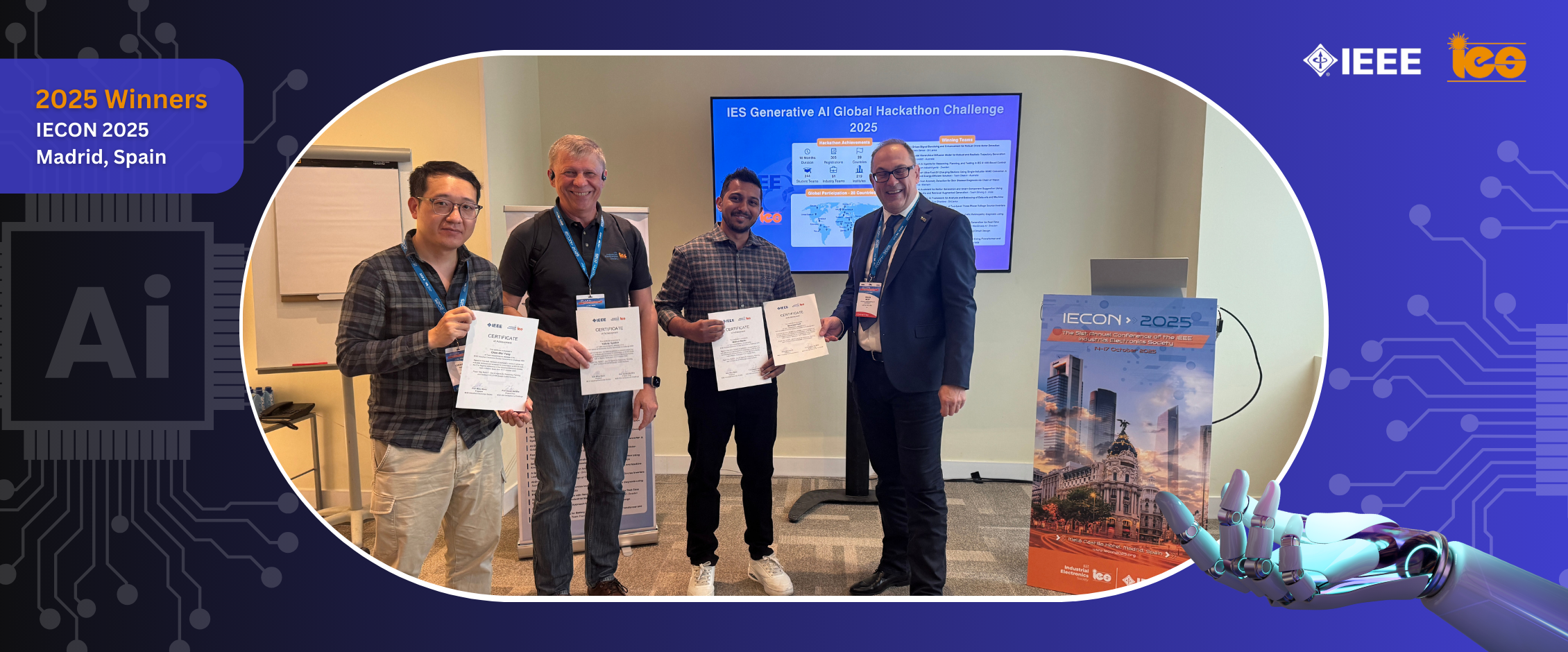
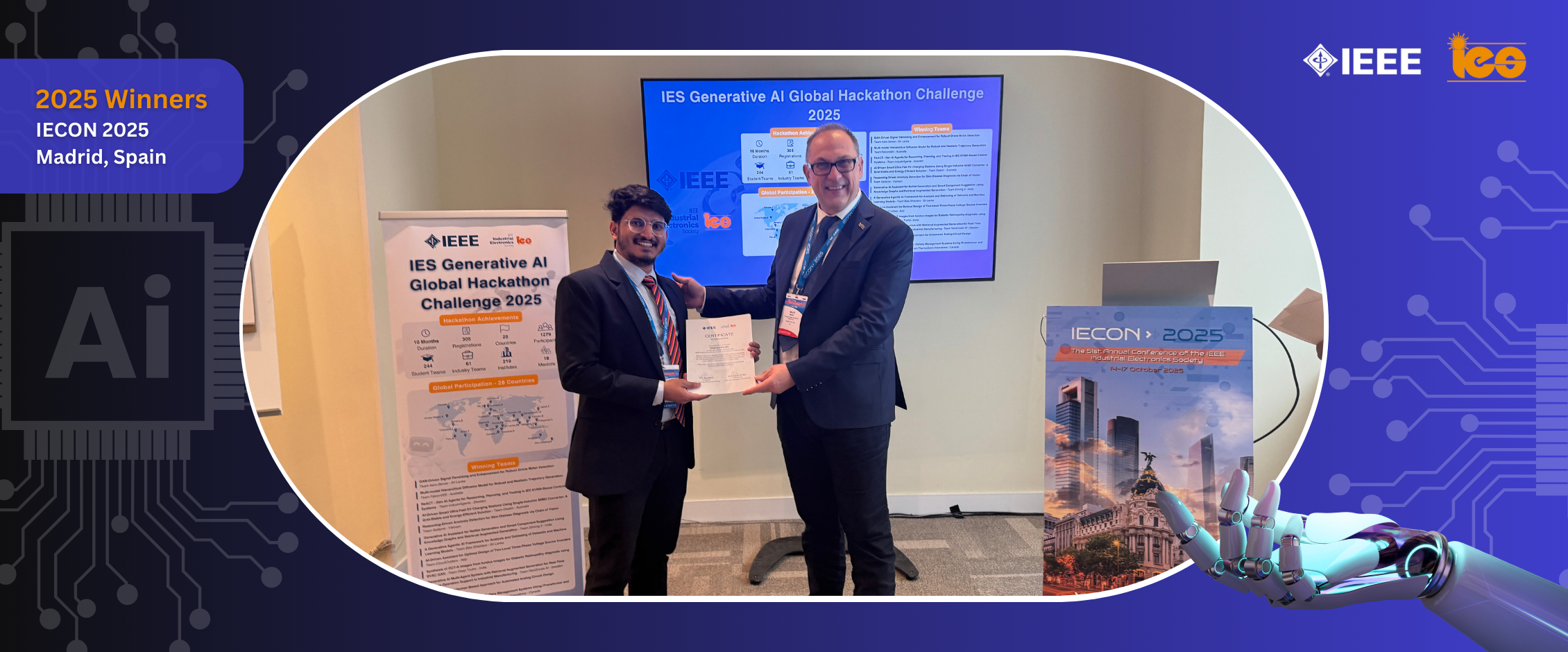
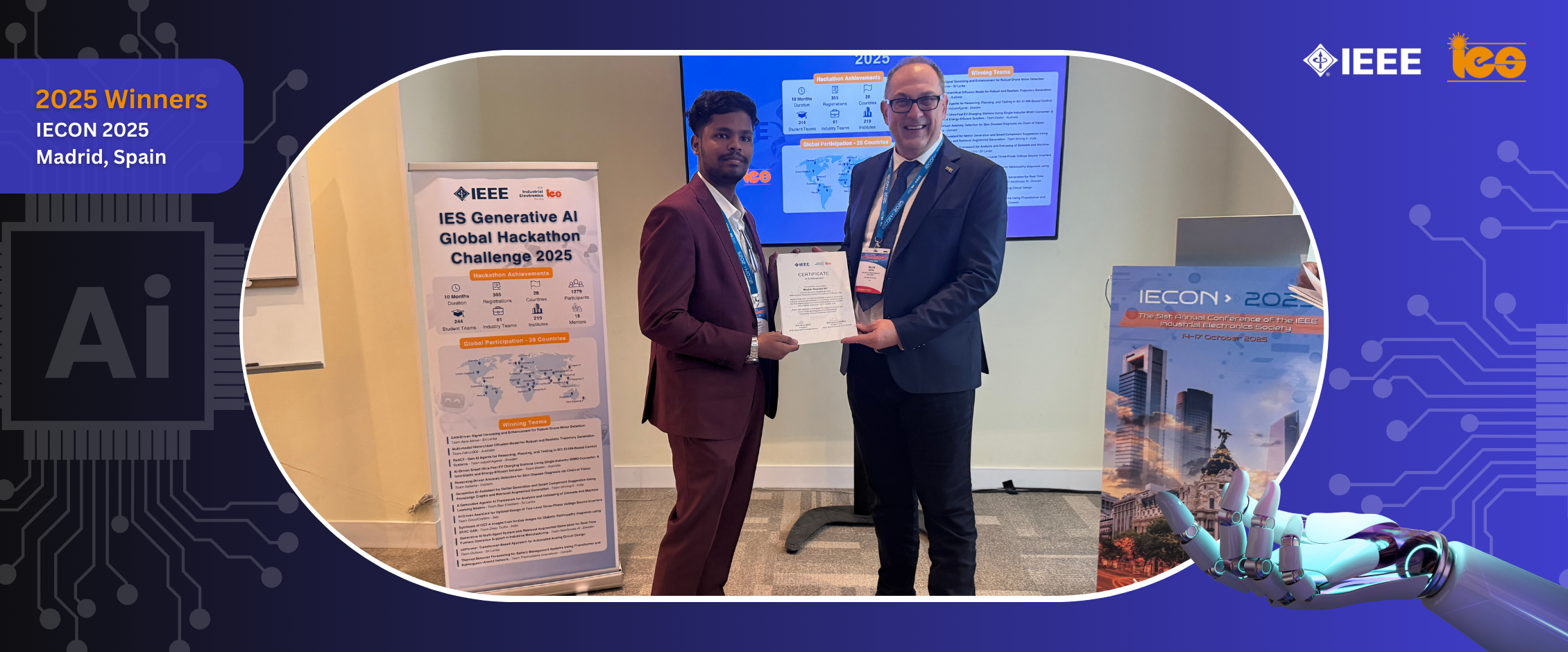
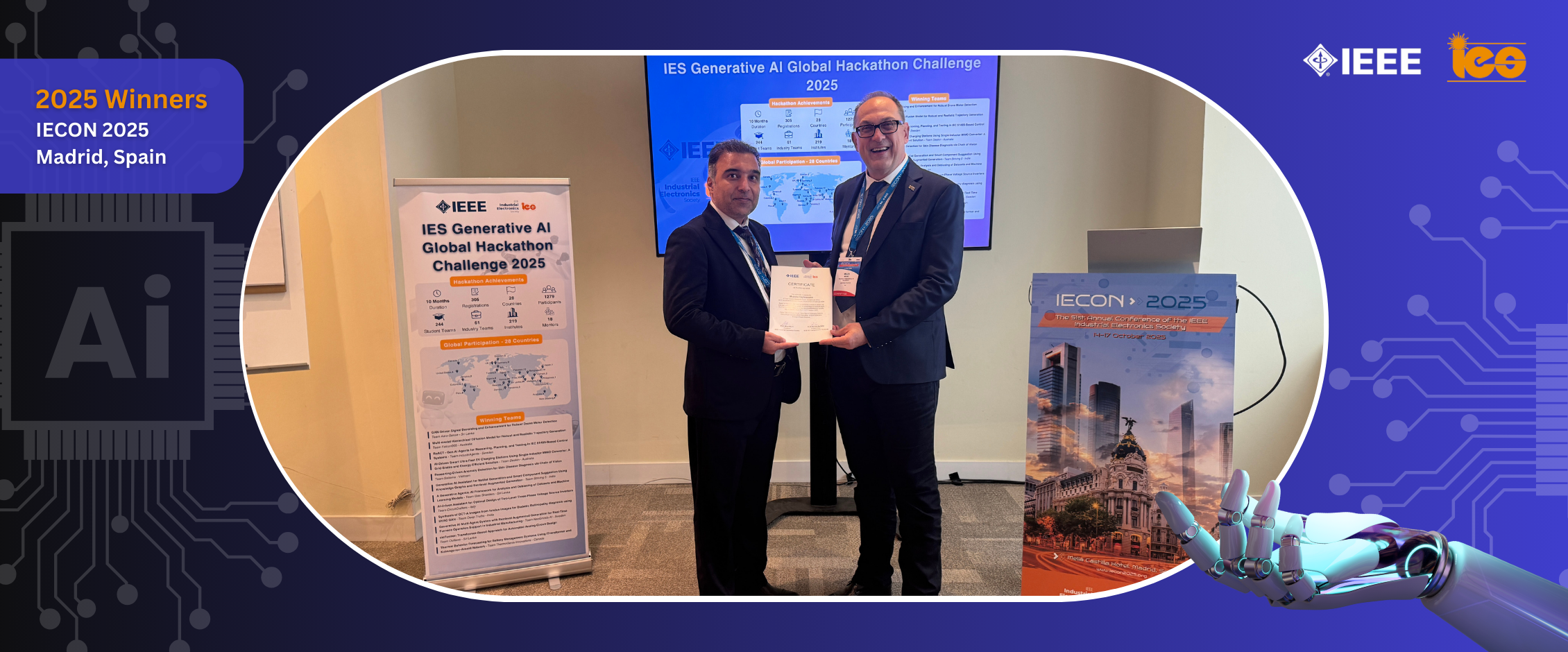
Hackathon outputs

|
Multi-modal Hierarchical Diffusion Model for Robust and Realistic Trajectory Generation Trajectory generation is a fundamental challenge in autonomous mobility and intelligent transportation systems, where robotic systems and vehicles must navigate safely in complex and dynamic environments. Current approaches often suffer from mode collapse, poor constraint adherence, and overfitting to dataset priors, leading to low-quality and unrealistic trajectory generation. To address these challenges, we propose a novel trajectory generation framework, MH-DDPM, a Multi-modal Hierarchical Denoising Diffusion Probabilistic Model, designed to generate interpretable, diverse, and rule-compliant trajectories in complex multi-agent environments. Our method adopts a two-stage architecture: a high-level goal generation module based on conditional diffusion, and a low-level deterministic controller for action generation. To enhance contextual awareness, we condition the generative process on semantic embeddings produced by a multi-modal large language model, allowing the model to leverage structured environmental knowledge extracted from map imagery. We validate our framework on the nuScenes dataset, which is a large-scale real-world dataset of autonomous vehicle trajectories. Our method surpasses the state-of-the-art in key metrics, showing its potential to advance interpretable and efficient trajectory generation for autonomous mobility and industrial automation, in the context of Industry 4.0. DOI: 10.1109/IECON58223.2025.11221841Team members: Harindu Ashan Sugathadasa, Dimuthu Kariyawasam, Nilushika Hewa Dehigahawattage, Nimeshika Hewa Dehigahawattage, Oshada Jayasinghe |
|
|
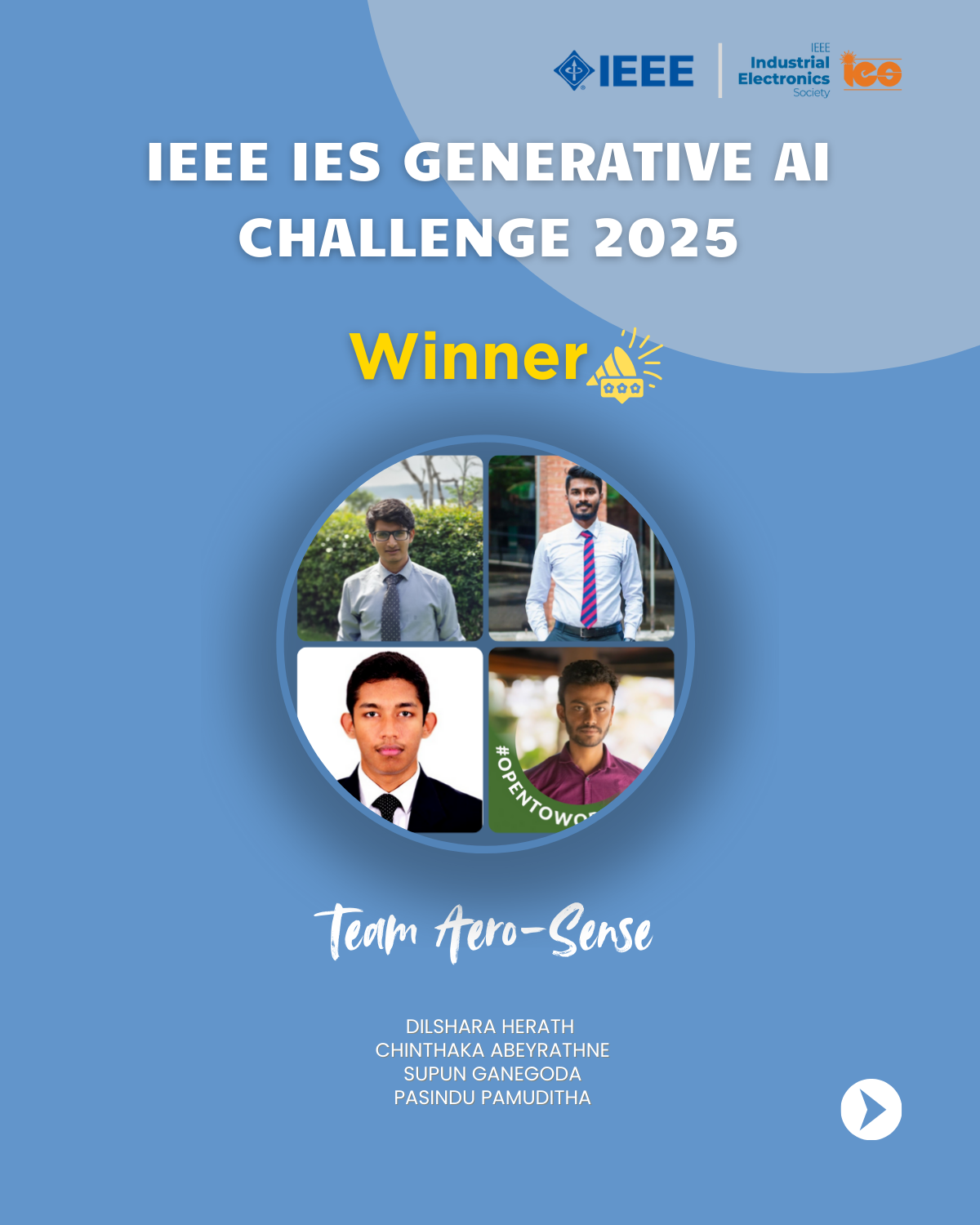
GAN-Driven Signal Denoising and Enhancement for Robust Drone Motor Detection Drones pose significant security threats due to their stealth and versatility. Brushless DC (BLDC) motors used in drones emit unique electromagnetic signals useful for drone detection, but environmental noise often degrades their quality and interpretability. This paper presents a robust Generative Adversarial Network (GAN) based framework to enhance signal clarity through denoising. Trained on paired noisy and clean signals obtained from two drone motor types (namely A and B), the GAN outperforms traditional methods (BM3D, Wavelet, Wiener, and EMD), achieving a 30.65% and 33.04% reduction in Mean Squared Error (MSE) for motors A and B, respectively. The average signal-to-noise ratio (SNR) is increased by 1.58 dB for motor A and 1.75 dB for motor B. The GAN model is then evaluated using a convolutional neural network (CNN) classifier trained on spectral correlation density (SCD) images, and it demonstrated substantial improvements in accuracy, precision, recall, and F1-scores compared to baseline results obtained from untreated signals. Specifically, classification accuracy improved significantly, from 76.38% to 98.67% for Motor Type A (29% improvement) and from 81.97% to 97.27% for Motor Type B (19% improvement), resulting in an average improvement of 24%. These results highlight the GAN-based denoising strategy’s ability to enhance signal interpretability and diagnostic reliability, significantly advancing drone motor detection capabilities. DOI: 10.1109/IECON58223.2025.11221467Team members: Dilshara Herath, Chinthaka Abeyrathne, Supun Ganegoda, Pasindu Pamuditha |
|

|
ReACT - Gen AI Agents for Reasoning, Planning, and Testing in IEC 61499-Based Control Systems This paper proposes a novel AI agent for reasoning, planning, and testing industrial automation applications. The AI agent accepts operator instructions in natural language and performs semantic reasoning over functional requirements to generate an optimized cost-effective action plan. This plan comprises a sequence of executable actions that can be deployed in industrial control systems (ICS) to enable efficient and sustainable machine operation. Then the AI agent automates the testing of control systems by comparing the agent’s planned and executed actions against expected outputs, ensuring requirement conformance and enhancing system reliability. Experimental results demonstrate the effectiveness of the AI agent in generating sustainable operational plans and validating control system behavior for laboratory scale case studies, underscoring its potential in the future of intelligent industrial automation. DOI: 10.1109/IECON58223.2025.11221719Team members: Midhun Xavier, Sandeep Patil, Chen-Wei Yang, Valeriy Vyatkin |
|

|
AI-Driven Smart Ultra-Fast EV Charging Stations Using Single-Inductor MIMO Converter: A Grid-Stable and Energy-Efficient Solution The rapid adoption of electric vehicles (EVs) necessitates the deployment of ultra-fast charging infrastructure, which poses significant challenges to the grid. Conventional charging stations struggle to adapt to real-time energy market fluctuations, dynamic grid conditions, and localized congestion, leading to inefficient energy utilization, increased peak demand stress, and potential grid instability. This paper proposes a novel AI-driven, grid-interactive charging framework that optimally manages EV charging by prioritizing renewable energy as the primary power source and utilizing the grid supply only when renewable generation is insufficient. The system operates within a grid-connected microgrid integrating solar energy and battery storage, and employs a single-inductor multi-input multi-output (SIMIMO) converter to enhance power flow flexibility, improve energy management efficiency, and ensure reliable power distribution. Real-time data from the grid, renewable sources, and storage systems are used in a transformer-based model to forecast EV charging demand, which is then processed by a GAN-based model to optimize load power allocation among energy sources. A reinforcement learning (RL) model dynamically generates duty cycle signals for the converter to adapt to real-time grid conditions and market prices, ensuring efficient energy distribution and grid stability. This approach incentivizes flexible charging behavior, mitigates peak loads, and enhances energy efficiency. The proposed framework is validated on a dSPACE real-time implementation platform, demonstrating improved demand-side flexibility, reduced energy costs, and enhanced scalability, making it a promising solution for sustainable EV charging stations. DOI: 10.1109/IECON58223.2025.11221454Team members: Mojtaba Hajihosseini, Hossein G. Sahebi, Ali Reza Sattarzadeh, Saman A. Gorji |
|

|
Reasoning-Driven Anomaly Detection for Skin Disease Diagnosis via Chain of Vision Skin diseases rank among the top common symptoms worldwide that leave a noticeable negative impact on human health, resulting in a growing need for effective skin anomaly detection methods to support early diagnosis and improve patient outcomes. Several studies have been proposed to enhance this process, but some challenges still limit their practical application. Traditional approaches often rely heavily on domain expertise to define rule-based criteria for distinguishing between normal and unusual skin areas, making them less adaptable to rare cases and varying image conditions. In contrast, modern machine learning-based methods offer greater flexibility; however, their prediction processes often lack transparency, making it difficult for clinicians to interpret, validate, and trust the results in real-world settings. To address these limitations, we present the Chain of Vision (CoV) framework, which leverages the capabilities of vision-language models (VLMs) and integrates reasoning mechanisms to further advance computer vision methods for anomaly detection. Through detailed experiments, we demonstrate that incorporating CoV significantly improves prediction accuracy, which helps enhance the system’s robustness across different image conditions. Furthermore, our multi-step reasoning module helps the model mimic the human thinking process, resulting in a more transparent detection process and providing valuable insights that empower human experts in their decision, making our system more practical for real-world deployment. DOI: 10.1109/IECON58223.2025.11220990Team members: Huynh Ngoc Thien, Truong Minh Duy |
|
|
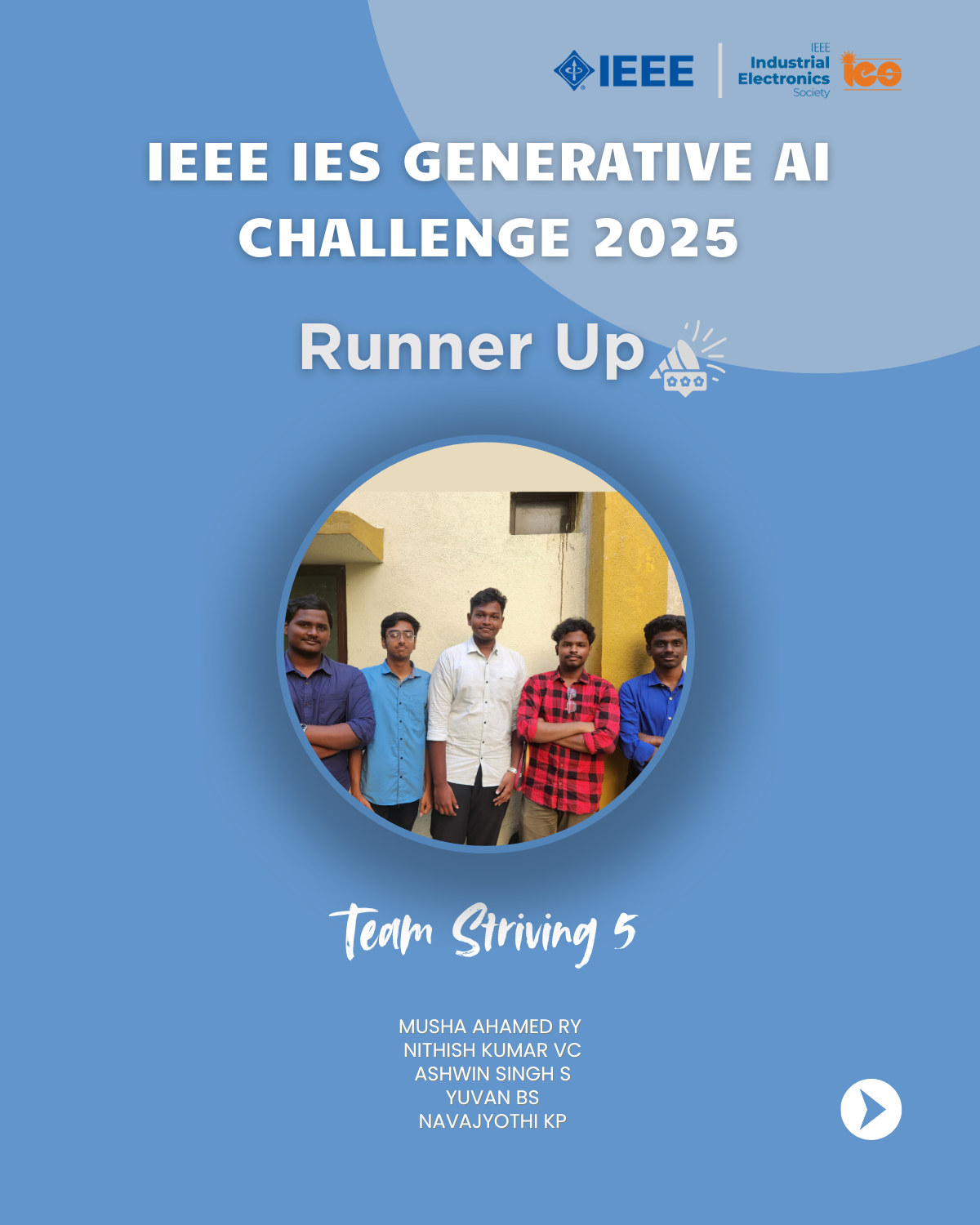
Generative AI Assistant for Netlist Generation and Smart Component Suggestion Using Knowledge Graphs and Retrieval Augmented Generation Recent advances in artificial intelligence have the potential to enable easier, efficient, and automated circuit design and optimization in electrical engineering. This paper presents an AI-based electrical circuit netlist code generator and a component suggestion system that considers user-defined specifications. The system utilizes a large language model (LLM) that generates generalized netlist code and performs mathematical computations for the circuit and aligns the design with user-defined output goals. A high-quality netlist dataset is created using an existing LLM through an iterative refinement process and with manual curation from traditional sources such as books. The dataset consists of structured JSON-formatted circuit solutions and the corresponding netlist files. When a netlist generated by the data generator model is incorrect, iterative correction steps are taken. If an inaccuracy is present even after multiple iterations, then the sample is sent for manual correction. The circuit design LLM is fine-tuned using this custom dataset. Additionally, a Knowledge Graph-Enhanced Retrieval-Augmented Generation (KG-RAG) approach is implemented for better recommendation of components to ensure optimal circuit parts selection. The combination of the fine-tuned LLM with KG-RAG based component recommendations results in a complete, functional AI-based netlist generation and component recommendation system. It shows promise in improving automation and efficiency in electrical circuit design. DOI: 10.1109/IECON58223.2025.11221498Team members: Musha Ahamed RY, Nithish Kumar VC, Ashwin Singh S, Yuvan BS, Navajyothi KP |
|
|
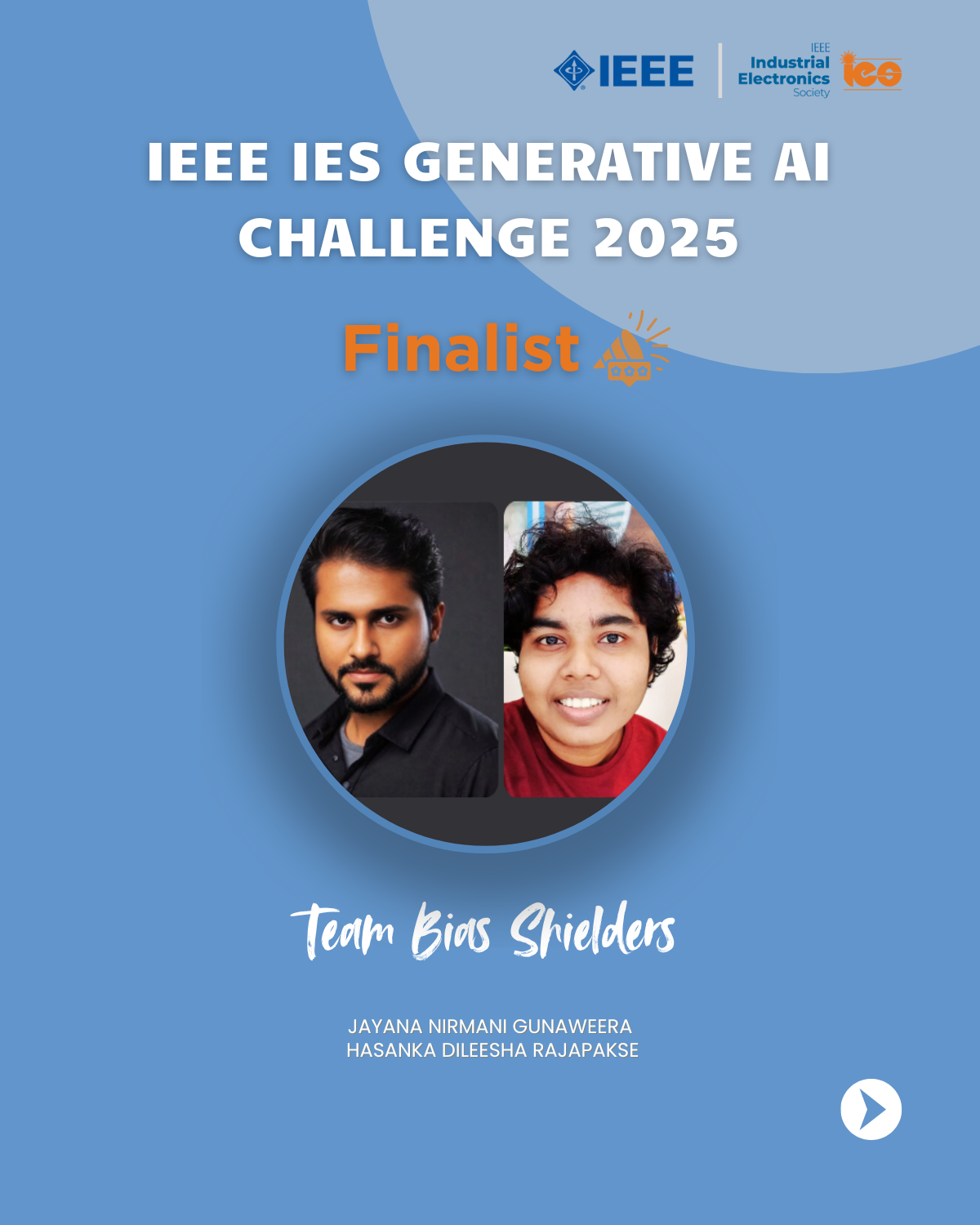
A Generative Agentic AI Framework for Analysis and Debiasing of Datasets and Machine Learning Models Mitigating algorithmic bias presents a persistent challenge in Machine Learning (ML). It often remains undetected, thereby reinforcing existing social inequalities within these systems. In this research, we explore a practical approach for addressing this challenge by introducing a novel framework comprising five specialized agents. A Data Engineer dynamically discovering protected attributes through pattern analysis, a Bias Auditor quantifying disparities across multiple fairness dimensions, an ML Architect designing models with built-in fairness constraints, a Bias Mitigator applying targeted reduction techniques from preprocessing to postprocessing, and a Benchmark Analyst critically evaluating improvements through comparative visualization of fairness-performance tradeoffs. These agents work together to create a more balanced decision-making process. The fairness pipeline iteratively refines fairness through a systematic cycle where current metrics are automatically evaluated, specific issues diagnosed, appropriate mitigation techniques selected, and improvements verified until fairness thresholds are reached or diminishing returns observed while carefully balancing fairness gains against performance impact. When tested on four benchmark datasets, the framework showed noticeable improvements in fairness metrics. Notably, the Adult dataset demonstrated a 75% mean fairness improvement across all evaluated metrics. The real strength of this framework lies in its flexibility as it adjusts bias mitigation depending on the dataset and the type of bias it detects. Although challenges exist, including increased computational requirements, this approach demonstrated significant effectiveness in identifying and mitigating bias during experimental evaluations. DOI: 10.1109/IECON58223.2025.11221529Team members: Jayana Nirmani Gunaweera, Hasanka Dileesha Rajapakse |
|
|
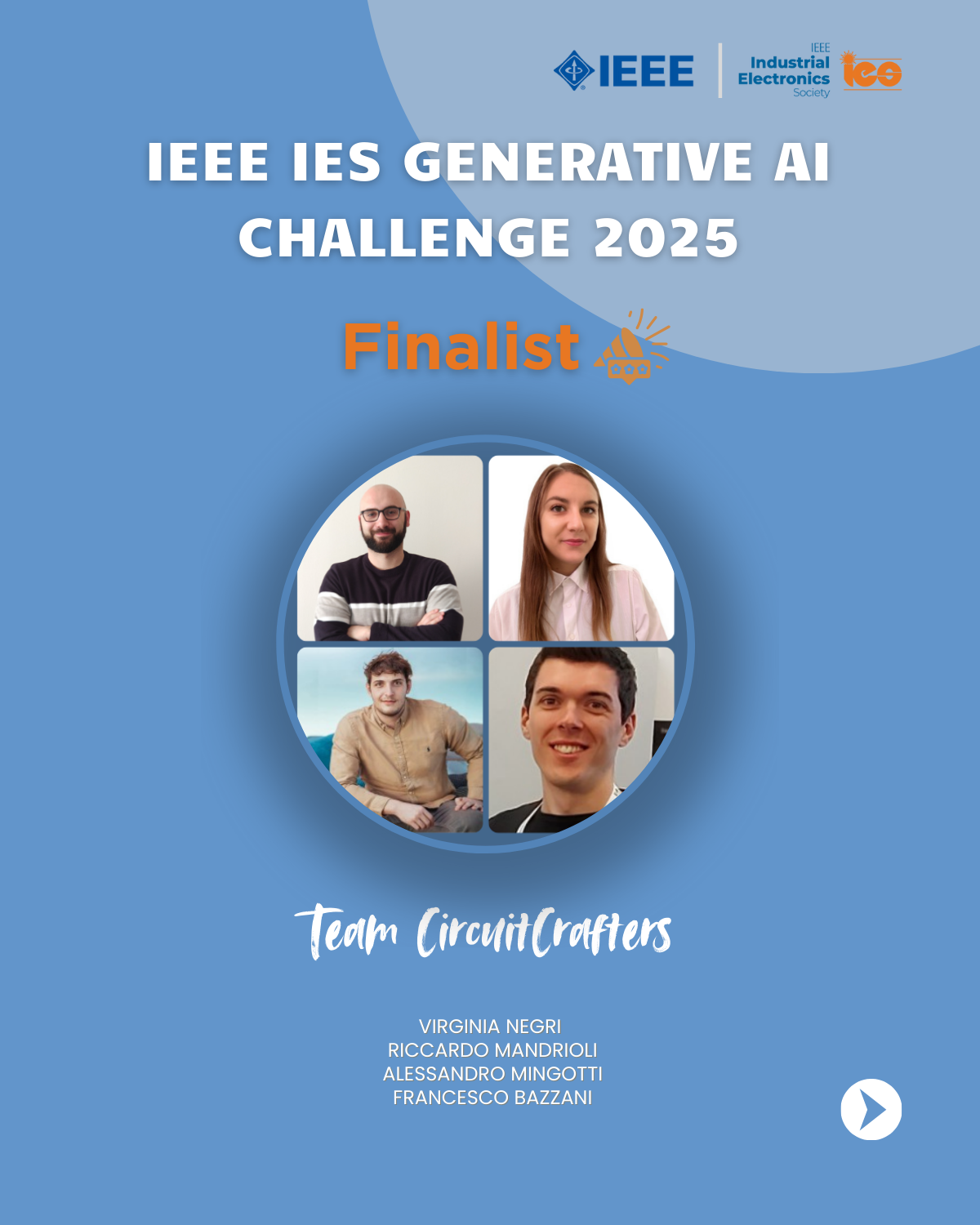
Team members: Virginia Negri, Riccardo Mandrioli, Alessandro Mingotti, Francesco Bazzani The design of power electronics converters is a complex and time-consuming process, requiring the evaluation of multiple design topologies, components, and technologies to meet specific efficiency and cost targets. Traditional methods are often constrained by manual effort, limiting the number of possible solutions explored. This project proposes an artificial intelligence (AI)-driven assistant that leverages generative AI to automate and optimize the converter design process. The system will take user-defined input specifications, distinguishing between fixed and variable parameters, and generate a diverse set of potential designs. First, by integrating a structured and searchable database of converter technologies and components, the assistant intelligently explores a broad design space, including various topologies, manufacturers, and switching technologies. Second, it leverages similarity-based retrieval and constraint filtering to provide tailored component recommendations that align with the user’s technical requirements. Third, it performs iterative evaluation of candidate configurations, presenting the most competitive solutions through a Pareto efficiency–cost analysis, along with detailed technical specifications for each optimal design. Two case studies are presented to validate the methodology, demonstrating the assistant’s ability to rapidly identify high-quality design solutions while reducing engineering effort. These results confirm the effectiveness of the proposed AI-driven approach and open new directions for research in intelligent inverter design automation. DOI: 10.1109/IECON58223.2025.11221349Team members: Virginia Negri, Riccardo Mandrioli, Alessandro Mingotti, Francesco Bazzani |
|
|
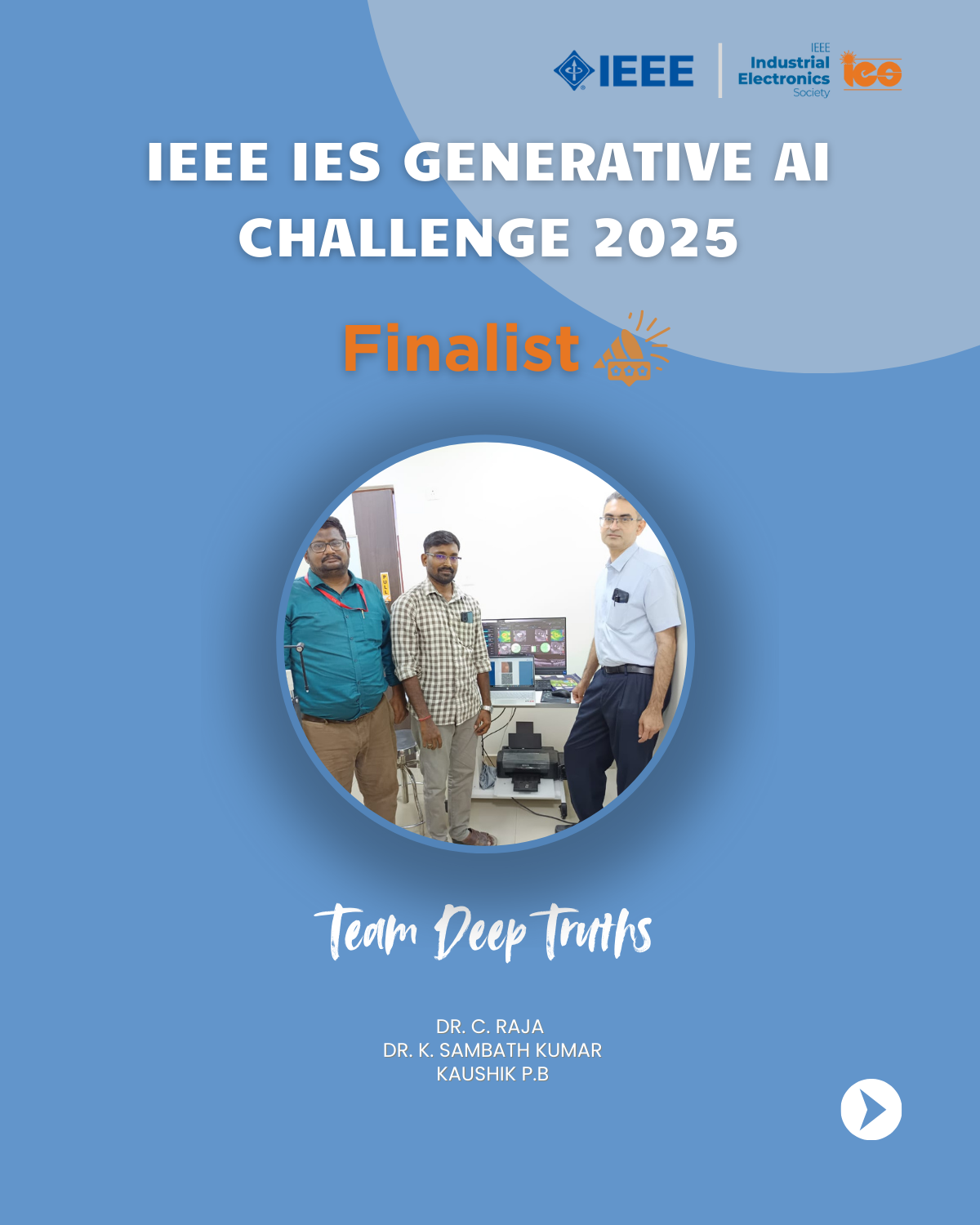
Team members: C. Raja, K. Sambath Kumar, Kaushik P. B. Recent advancements in the synthesis of one imaging modality from another have garnered considerable attention, driven in part by the cost associated with the latter modality and the capabilities of generative AI to augment the complementary feature representations within the second modality. Fundus imaging has traditionally served as a diagnostic tool for Diabetic Retinopathy (DR); however, the depth resolved microvasculature in Optical Coherence Tomography Angiography (OCT-A) provides superior clarity for the diagnosis of DR. We propose a Generative Adversarial Network (GAN) to synthesize OCT-A images from the fundus images extending the capabilities with Channelwise Blood Vessel Entropy based Squeeze and Excitation network (BVES), in the U-Net architecture which acts as the generator for the proposed GAN architecture. We propose to modify the Global average pooling executed in the squeezing operation with local entropy measures to emphasize on the fine details of Blood Vessels. The GAN is expected to augment OCT-A imaging in DR diagnosis process. Furthermore, we propose the development of a web-based software application on Ophthalmologist forums allowing practitioners to feed fundus images and to infer the OCT-A counterpart. This application would extend feedback mechanisms from Ophthalmologists. DOI: 10.1109/IECON58223.2025.11221891Team members: C. Raja, K. Sambath Kumar, Kaushik P. B. |
|
|
Generative AI Multi-Agent System with Retrieval Augmented Generation for Real-Time Furnace Operation Support in Industrial Manufacturing This paper presents a prototype AI-powered decision support system that leverages large language models (LLMs) and digital agents to assist furnace-stage operations in transformer manufacturing. The system integrates real furnace sensor data with synthetic manuals and expert insights using a modular architecture that combines Retrieval-Augmented Generation (RAG), structured prompting, multi-agent coordination, and response validation. It processes natural language queries to generate context-aware responses grounded in process data and documentation, demonstrating the potential of domain-adapted generative AI for industrial support. Experiments show a 100% improvement over a baseline LLM, though performance remains 29% below ChatGPT-4o, indicating both promise and areas for future improvement. DOI: 10.1109/IECON58223.2025.11221518Team members: Irini Provatidis |
|
|
cktFormer: Transformer-Based Approach for Automated Analog Circuit Design Circuit design is a complex and iterative process that requires expertise in electronic engineering. It involves selecting components while meeting performance constraints, such as power efficiency, cost-effectiveness, and signal integrity. However, manual design is time-consuming and prone to errors. Although other stages of the manufacturing pipeline have benefited from AI-driven optimizations, circuit design remains a bottleneck, limiting overall productivity. Generative AI and machine learning offer the potential to automate and improve this stage, boosting efficiency and accuracy. To address this, we introduce a dual-transformer architecture that bridges the gap between AI and circuit design by leveraging attention mechanisms to model complex, non-sequential circuit relationships. Our approach structures netlist data into graph-based representations, enabling effective learning of circuit topology and component interactions. The system consists of two interlinked models: a node prediction model that proposes components and an edge prediction model that infers valid connections. This collaborative and decoupled design captures both component-level semantics and global structural coherence. In our experiments, this architecture outperforms recent models such as AnalogGenie and cktGNN in the validity of generated circuits. By addressing key limitations in existing methods, our work advances automation in electronics engineering and contributes a benchmark for AI-driven circuit synthesis. DOI: 10.1109/IECON58223.2025.11221564Team members: Pasindu Darshana Dodampegama, Naveen Basnayake, Keshawa Jayasundara, Ravimal Ranathunga, Praveen Wijesinghe |
|

|
Thermal Behavior Forecasting for Battery Management Systems Using iTransformer and Kolmogorov–Arnold Network This paper proposes a next-generation predictive framework for thermal behavior prediction of lithium-ion batteries up to 60 seconds ahead of time, leveraging advanced deep-learning framework for time series prediction. The core of this work lies in a two-stage architecture that combines the iTransformer for accurate short-term forecasting of battery current, voltage, and temperature parameters with the Kolmogorov–Arnold Network (KAN) for core temperature estimation based on the predicted battery behavior. Experimental results using real-world drive cycles and thermal data demonstrate a high-accuracy forecasting performance, with the iTransformer achieving RMSEs as low as 0.17 A for current, 0.04 V for voltage, and 0.13°C for the surface temperature at 60 seconds ahead. The KAN achieves a core temperature estimation mean absolute error (MAE) of 0.20°C at 60 seconds ahead. An R² of 0.943 shows the system’s robustness in core temperature prediction across a full battery state-of-charge profile. The proposed framework can be directly integrated into the thermal management and charging control logic for real-time, adaptive charging and thermal m DOI: 10.1109/IECON58223.2025.11221577Team members: Akash Samanta, Dominic Karnehm, Mohit Sharma, Sheldon Williamson |
|